Your Wellness, Our Passion
Acupuncture

Booking For Acupuncture, Herbal Medicien, Tuina, & Qigong
or call or follow the links to direct onine booking for Daniel Scott
Tree of Life and Anahata
any questions send a question : info@sun-and-moon.co.uk
Address: 145 Portland Rd, Brighton and Hove, BN3 5QJ
Phone: 01273 220159
Address: 120 Edward St, Kemptown, Brighton and Hove, BN2 0JL
Phone:01273 698687
What Is Acupuncture?
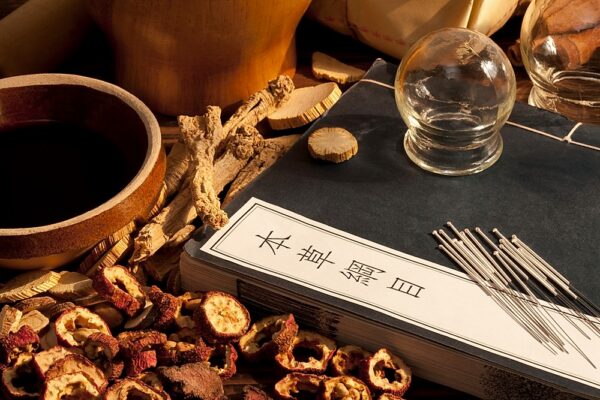
Acupuncture is a traditional East Asian medical practice used for thousands of years to support healing, relieve discomfort, and restore balance. Fine needles are gently inserted at specific points on the body to regulate the body’s systems and promote recovery.
Most commonly people seek treatment for pain and discomfort. Typically a lot of musculoskeletal issues such as back pain, sciatica, neck pain, tennis elbow, knee pain, arthritis, and injuries.
People also present for acupuncture with systemic problems such as digestive problems, headaches, hay fever and allergies, common colds, sinusitis, ENT problems, recovery from illness, poor energy, tiredness, low immunity, menopausal problems, problems with the menstrual cycle, stress and anxiety, or sleep problems.
Treatment focuses on the whole person rather than isolated symptoms, helping to improve resilience, maintain health, and support long-term balance. When provided by a qualified practitioner, acupuncture is very safe and associated with minimal side effects.
How does Acupuncture Help
Combining acupuncture and Tui na massage can be particularly effective in the treatment of pain. You may also notice other niggling problems resolve as your main health complaint improves.
Acupuncture is now widely used and accepted all over the world. In fact, in 2009 the National Institute for Health and Clinical Excellence (NICE) recommended that acupuncture should be made available on the NHS for the management of persistent, non-specific lower back pain.
You can find more information on current scientific research into the effectiveness of acupuncture by visiting the British Acupuncture Council website.
How can it Help
In Chinese philosophy, it is believed that energy flows through pathways or meridians through the body. Illness is caused by blockages in the flow of energy through the body. There are 2,000+ acupuncture points along the body’s meridians. By stimulating the points with thin needles or pressure the flow of energy will be restored and the body can heal itself.
Stimulating the nervous system can assist with pain relief and prevention of:
- Lower / Upper Back Pain
- Neck Pain
- Addiction
- Anxiety & Depression
- Migraine and Headaches
- Shoulder Pain and Elbow Pain
- Knee, Foot, and Ankle Pain
- Allergies
- Chronic Fatigue
- Digestive Disorders
- Stress
- Infertility
So whatever “conditions” you or your family may be experiencing get in touch and see if we can help
Is acupuncture really that old?
Acupuncture first developed in China. The most famous book about the practice of acupuncture is popularly known as the Yellow Emperor’s Canon of Internal Medicine. However, strictly speaking Yellow Thearch would be a better translation of the original Chinese: Huangdi (黄帝). The book comprises two parts the Suwen (素问) or Simple Questions and the Lingshu (灵枢) or Numinous Pivot. The book is most likely a collection of shorter pieces that were written in the 1st and 2nd century BCE [1].
The Yellow Thearch’s Canon of Internal Medicine along with another text the Classic of Difficulties Nanjing (难经), compiled in the 1st centuries 2nd AD, contain the foundational theories of acupuncture. These books introduce the acupuncture points, the meridians, needle techniques, the causes of disease, and methods of diagnosis such as taking the pulse. The use of acupuncture spread throughout China where it has been in constant use for over 2000 years. Acupuncture at times enjoyed Imperial patronage for example during the Tang dynasty (618-906) with a National University and an Imperial Medical Office. Centrally regulated medical education declined with the collapse of the empire but then was re-established during the Song dynasty by Wang Anshi between 1068-85 [2]. Alongside the official education system were family lineages, with knowledge being passed down through the generations. In the 1950s the some of the differing traditions were unified to form what is now called Traditional Chinese Medicine (TCM). This is the style of practice found in Chinese hospitals today.
FAQ ~ Frequently Asked Questions
These are some of the most common questions my clients ask me. Of course, if you have any further questions, please contact me. I’m always happy to answer questions, dispel myths and relieve concerns
WHAT HAPPENS DURING ACUPUNCTURE TREATMENT?
My approach is to use a number of different methods to get a complete picture of your health and lifestyle, including taking a full medical history, reading your pulses, and looking at your tongue. Based on this information, I will make a diagnosis and put together your personal treatment plan. Acupuncture points are selected according to your symptoms as well as your underlying energy pattern. The single-use sterile needles come in sealed packs and are opened in front of you and are safely disposed of after each treatment, so you know everything is clean, safe and hygienic. Once the acupuncture needles are inserted, they are usually left in place for between 15 and 30 minutes. You may find that I’ll manipulate the needles, so that you will feel a dull bursting or numb sensation around their site of insertion. This sensation is called “de qi” or “obtaining energy”. Other methods of stimulating the acupuncture point include moxibustion (application of heat), and placing a cup over the acupuncture point (cupping). If it’s indicated, based on your symptoms, I may refer you to your GP or another healthcare professional.
IS ACUPUNCTURE SAFE?
Yes. Two scientific studies were published in the British Medical Journal in 2001 (MacPherson et al, White et al, both BMJ September 2001, in case you want to look them up), and they concluded that the risk of serious adverse reaction to acupuncture is less than 1 in 10,000. The needles I use are single-use, sterile, and disposable. Responses to treatment can sometimes include tiredness or mild dizziness, and very occasionally minor bruising may occur. However, these reactions are short-lived.
HOW MANY ACUPUNCTURE SESSIONS WILL I NEED?
The number of sessions, and how often you should have them, will depend on your individual condition though I will normally ask to see you once or twice a week at first. You would usually feel some change within five or six treatments, but sometimes just one or two treatments will have an impact. Some people choose to have regular acupuncture treatments to maintain good health.
SHOULD MY DOCTOR KNOW?
If you have been prescribed medication, I always recommend that you tell your doctor that you are planning to have acupuncture, and certainly do not stop taking your medication. You should also always tell me about any medication and supplements you are taking, as this may affect your response to the acupuncture treatment. BAcC acupuncturists are trained to recognise potentially serious underlying health conditions, soI may refer you to your GP if appropriate. If you are pregnant, suffer from diabetes or are taking anticoagulant drugs be sure to tell me before we start any treatment. If you’re in any doubt at all, talk to your GP before booking a session.